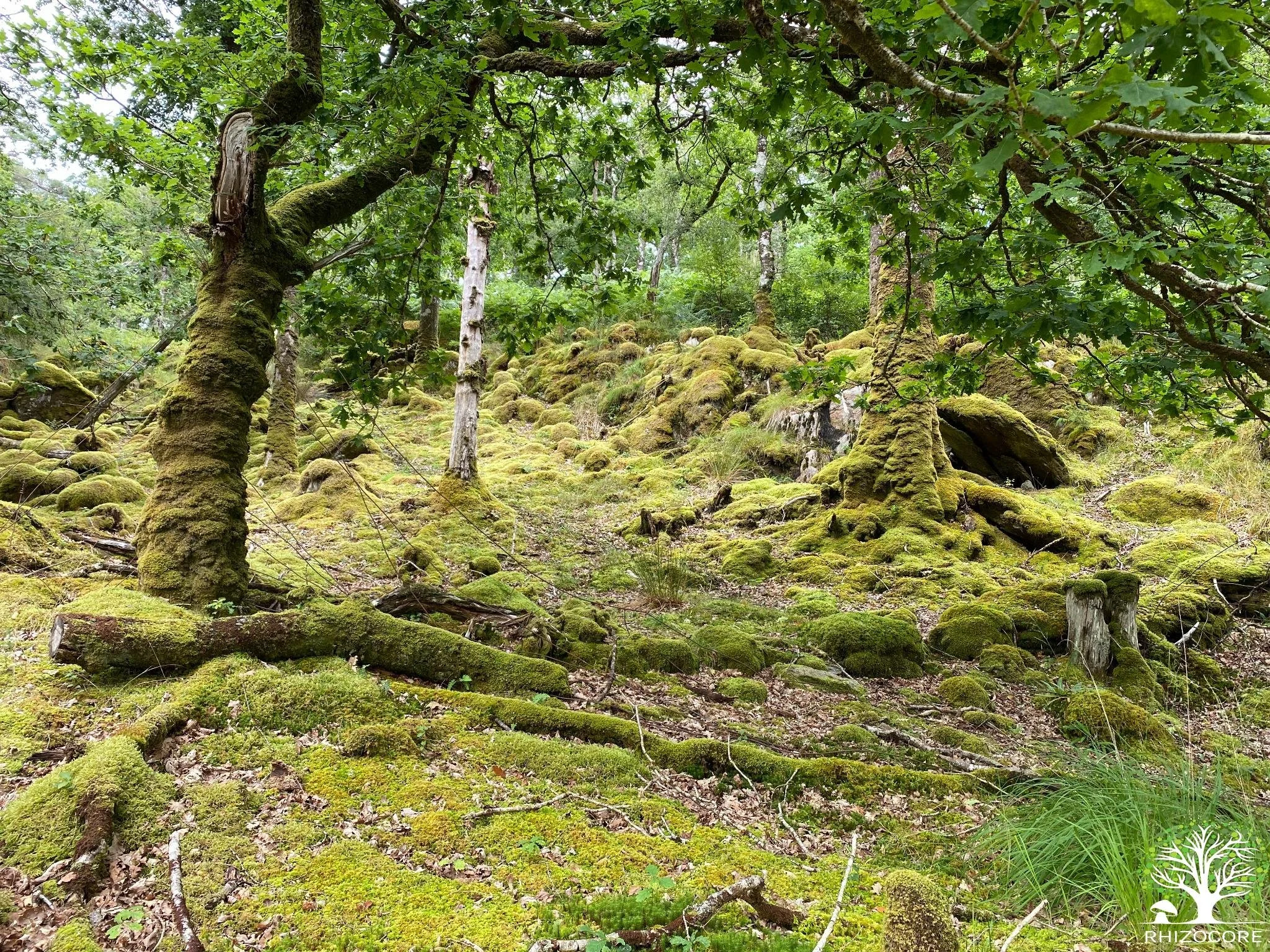
Rhizocore Technologies USA
The Future of Forestry is Fungi
The Problem:
Getting trees established is becoming more expensive, more complex, and less predictable. Higher input costs, increasing regulatory pressure, drought risk, disease susceptibility, slow early growth, and high mortality rates all put forestry projects under strain.
The Solution:
RhizoPellet™ gives trees the fungal support they need from day one.
Each simple, easy-to-apply pellet delivers locally sourced mycorrhizal fungi, with strains screened to support stronger establishment, healthier growth, and soil carbon sequestration.
Field-Tested Forestry Biology, Ready to Help You Grow
Proven Science
Tested across multiple real-world planting environments - from commercial forestry to native woodland schemes.
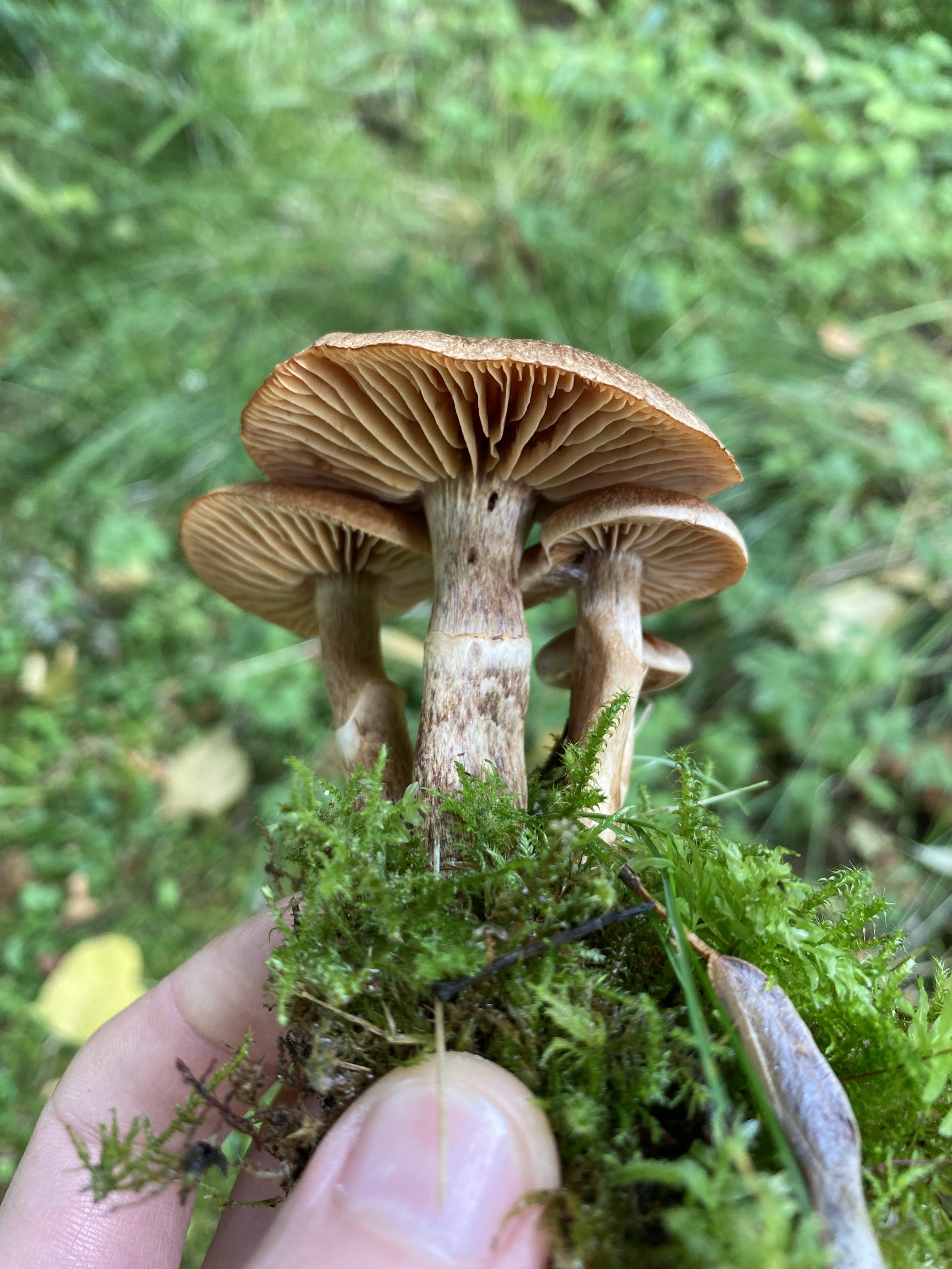
RhizoLibrary
Designed around the right fungi, in the right place, for the right purpose - not a generic, one-size-fits-all biological additive.
Easy to Use
Developed for real forestry workflows, with a pelletized format that is simple to handle, transport, and apply during planting.

US Expansion
Now building US capability through our Atlanta hub and lab, supporting future supply for major planting programs.
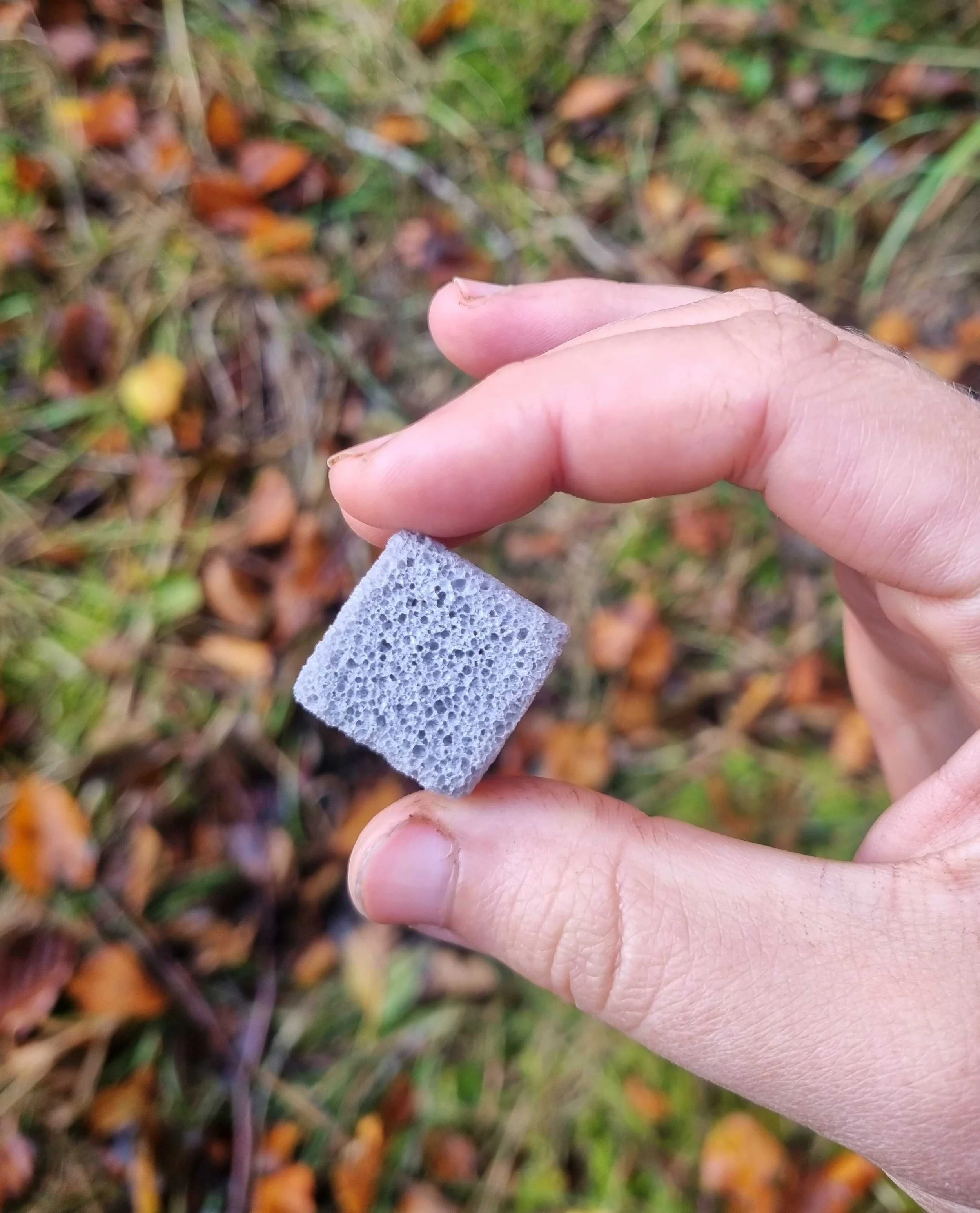
The RhizoPellet - Small size, big potential
Stronger tree establishment starts underground
RhizoPellets™ deliver targeted, locally sourced beneficial fungi directly to newly planted trees - supporting healthier growth, stronger roots, and improved resilience from day one.
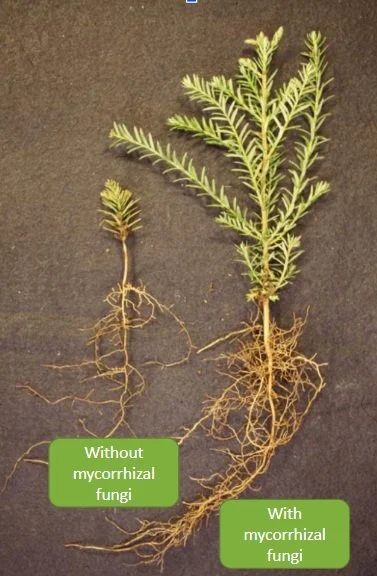
Ectomycorrhizal fungi form symbiotic relationships with tree roots, helping trees access hard-to-reach soil nutrients and water. This is particularly valuable on challenging sites, and where establishment, resilience, and long-term performance matter.
Applied once at planting, RhizoPellets™ are tailored to your site and species, designed to support stronger tree establishment, healthier soils, improved resilience, and more biodiverse, productive forests.
One small pellet, multiple big benefits:
Grow trees faster and decrease mortality
Improve resilience against drought
Reduce pesticide & fertlizer reliance
Support carbon and biodiversity goals
Easy-to-use: just drop in and go!
Get in touch to find out how RhizoPellets™ can help your tree planting projects.
One Pellet, Multiple Benefits:

Establishment
Improve survival while reducing inputs.
RhizoPellet™ helps trees establish more successfully from day one, reducing reliance on fertilizer and helping lower replanting costs. Stronger establishment may also reduce the need for weeding, herbicide, and ongoing site intervention.
Growth
Support faster, healthier tree growth.
Improved early growth can support stronger long-term value across timber, carbon, and overall stand performance.
For carbon projects, faster establishment may also help sites reach key measurement milestones sooner.

Resilience
Trees that are better equipped to cope.
RhizoPellet™ supports stronger root development and beneficial fungal partnerships, which can help trees withstand drought pressure, pests, disease, and soil-borne pathogens more effectively.
Reducing establishment costs, while increasing yields, can result in measurable profit uplift for commercial operations using RhizoPellets™
How it all works:
The Biology:
Mycorrhizal fungi form symbiotic relationships with tree roots that support nutrient and water uptake and overall plant resilience - this is especially important in poor quality soils
The Delivery:
RhizoPellets deliver locally relevant mycorrhizal fungi in a form designed specifically for planting crews: drop the pellet into the planting hole beside the sapling. Easy as that.
Easy to Scale:
No new equipment. Minimal training. No disruption to standard workflows - which is why adoption at scale is achievable
Rhizocore Technologies in the United States
Rhizocore is now established in the US, with an Atlanta-based hub supporting commercial supply, strategic partnerships, and long-term growth across the American forestry sector.
Our mission remains global: to build the world’s most advanced living fungal libraries and turn that science into scalable mycorrhizal solutions - creating a virtuous cycle where commercial success funds deeper research, and deeper research delivers better outcomes for trees, soils, and ecosystems.
-
Plan RhizoPellet™ supply for your next planting window:

Atlanta, Georgia - The home of Rhizocore Technologies (USA)

Easy to use, easy to transport and store, yet powerful results - easy to see why so many clients are choosing the RhizoPellets
Why are you planting trees?
Different goals. Same challenges: saplings need to establish fast, in real conditions.
-
In timber systems, the economics hinge on establishment: survival, stocking, early growth, and the reduction of variability that can positively impact rotation length and long-term yield.
Moisture stress (e.g., drought) can slow early growth and weaken seedlings at exactly the time you need them to build momentum; early stress can also increase susceptibility to damaging pressures later.RhizoPellets are designed to restore beneficial mycorrhizal function around roots, supporting faster establishment, stronger stress tolerance, and more consistent early performance - while helping reduce fertilizer dependence as a repeated lever (and reduce cost).
Crucially, application is operationally simple: place the pellet in the planting hole alongside the seedling - no specialized equipment, minimal training, and compatible with existing planting workflows.
-
Carbon plantings succeed when outcomes are credible, measurable, and durable - and the market is increasingly intolerant of weak claims.
Integrity frameworks, such as The Integrity Council for the Voluntary Carbon Market (ICVCM), emphasize high-quality carbon credits that can stand up to scrutiny on quantification, permanence, and governance.
RhizoPellets support a carbon story that is both biologically grounded and operationally scalable: healthier establishment, improved survival, and stronger resilience that can reduce reversal risk from drought and stress events, while supporting belowground carbon storage through improved root-zone function.
Just as important, the “drop-in” method is practical at the scale carbon projects demand - no disruption to planting operations and no additional equipment burden.
-
Reforestation is often constrained by tight planting windows, seedling/sapling supply limits, labor availability, and site readiness - and the consequences of failure can be costly, especially when projects are trying to recover from disturbance or meet public goals under increasing climate stress.
US agencies are explicitly pushing “climate-informed reforestation” to improve establishment outcomes under changing conditions, because getting seedlings and saplings to successfully establish can be the make-or-break step.
RhizoPellets are built for that reality: a field-friendly, low-friction intervention designed to improve early establishment and resilience where soils have lost functional mycorrhizal networks - without adding operational complexity to crews already under pressure.
-
Conservation plantings are judged on long-term ecosystem outcomes: durable survival, habitat function, watershed protection, biodiversity recovery, and resilience - not simply trees planted.
The real-world cost and complexity of establishing forests successfully over time should not be underestimated; projects can find themselves set up for failure if early survival and maintenance aren’t planned for realistically.
RhizoPellets support the biological foundation of establishment by helping restore beneficial fungal relationships in the soil that underpin water and nutrient uptake and early resilience - improving the odds that conservation plantings become functioning, self-sustaining systems - rather than short-lived efforts that require repeated replanting.
-
Mitigation projects are built around measurable, durable ecological outcomes. Whether restoring forested wetlands, riparian corridors, or important wildlife habitat, success depends largely on planted trees surviving, establishing, and contributing to the ecological functions the project is intended to provide.
RhizoPellets support this critical early stage by delivering locally relevant beneficial fungi directly to newly planted trees. By supporting water and nutrient uptake, root development, and resilience, they can help improve the likelihood of successful establishment on challenging restoration sites - while reducing the potential need for replanting and remedial intervention.
The simple, drop-in application fits existing planting workflows, giving mitigation bank sponsors, restoration contractors, and project teams a practical way to strengthen establishment without additional equipment or operational complexity.
See the Science Behind the Results
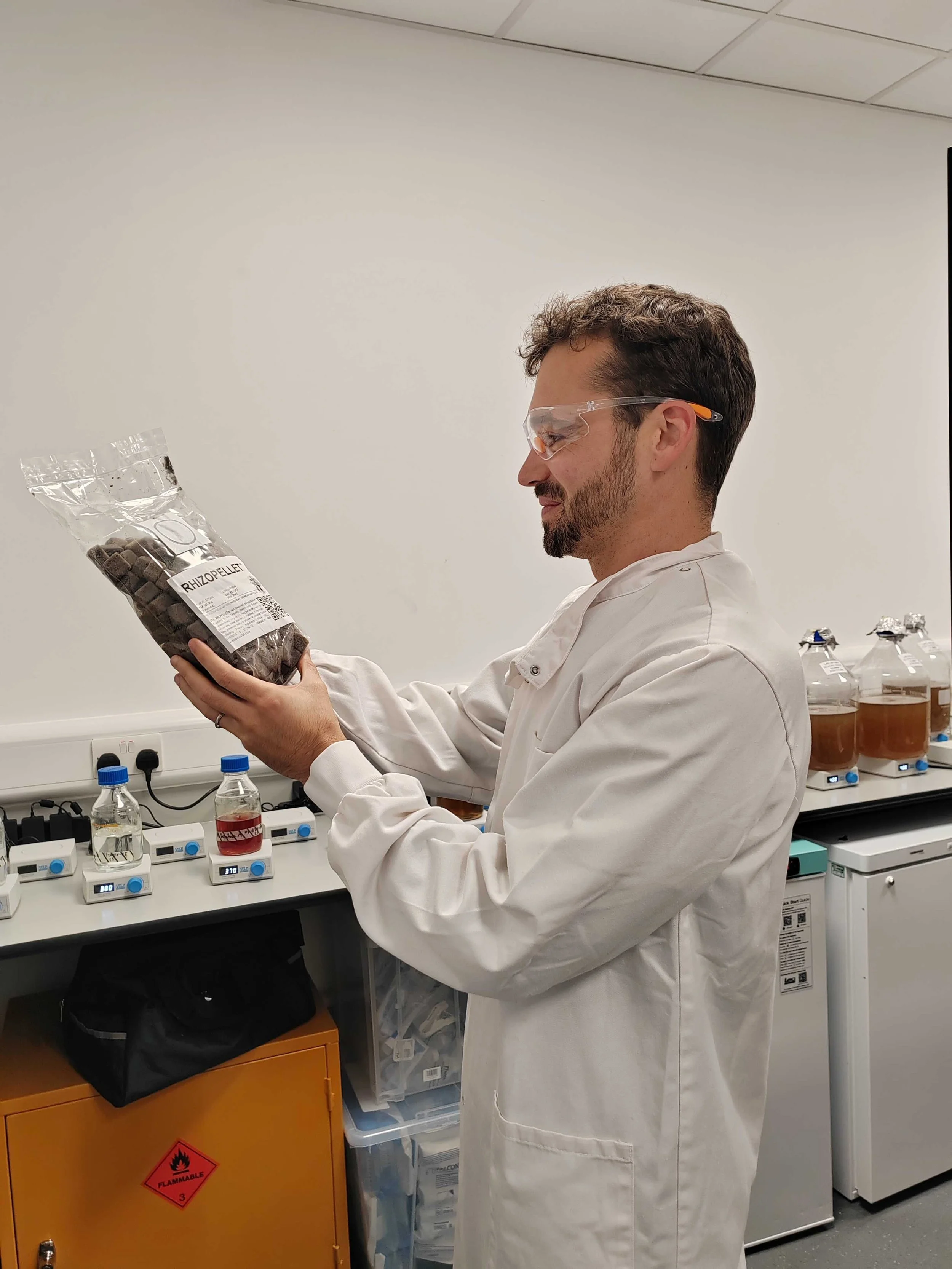
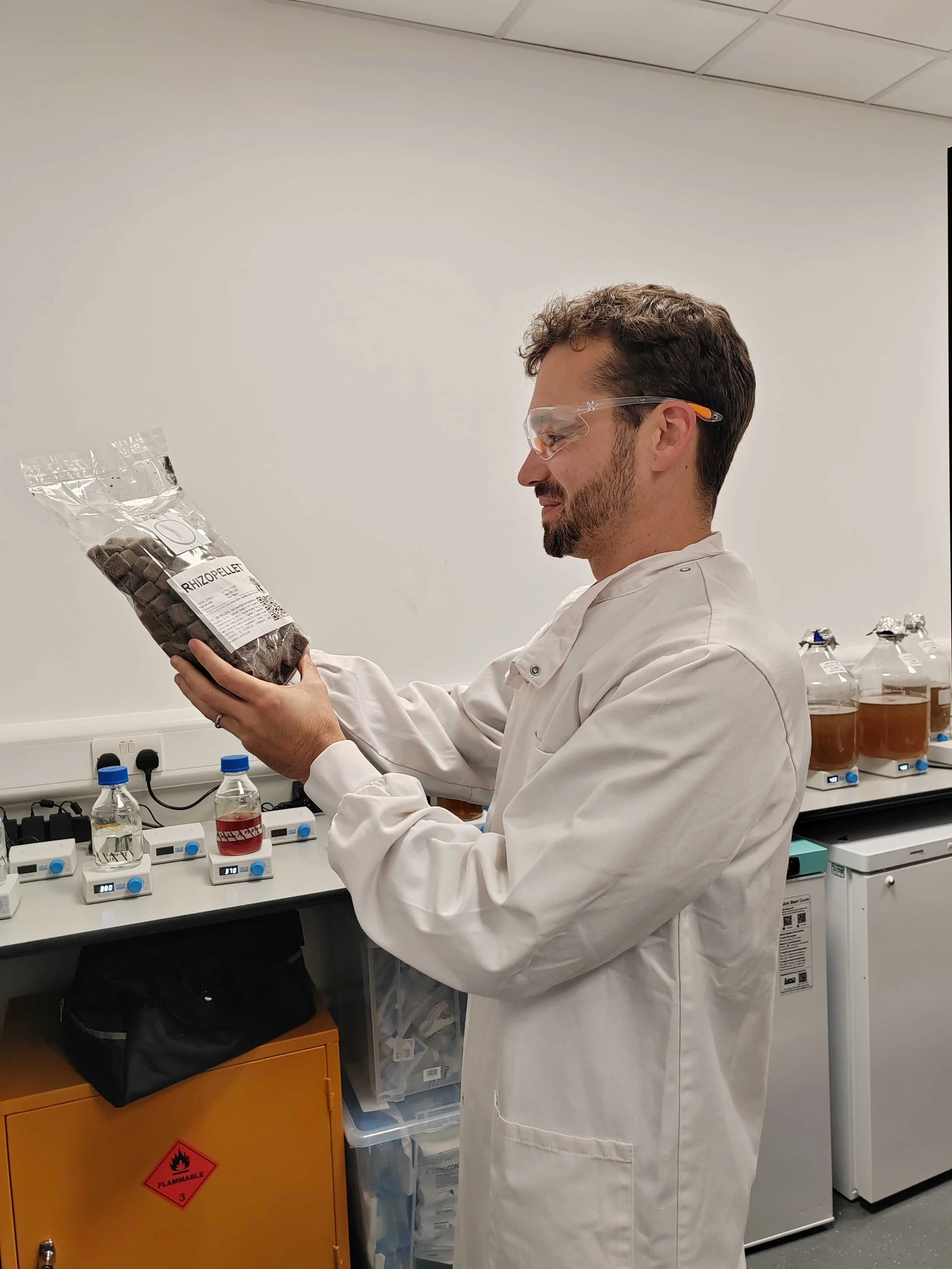
Rhizocore Founder, Dr Toby Parkes, hard at work inspecting the latest batch of RhizoPellets
We believe serious forestry decisions should be supported by serious evidence.
Our recommendations are informed by field data, landscape-scale modeling, mortality analysis, and detailed scientific assessment. We work carefully to understand where RhizoPellets can deliver meaningful value, how outcomes vary between sites, and what the data can - and cannot - demonstrate.
Speak with our team to review the science behind our technology, including our landscape models, mortality reports, trial methodology, and verified field results. We can help you explore what the evidence could mean for your species, site conditions, planting objectives, and establishment risks.
Frequently Asked Questions:
-
No. RhizoPellets are designed to restore beneficial fungal function in the root zone. They complement good planting practices and can reduce dependence on fertilizer inputs in many programs (site-dependent)
-
The RhizoPellets (TM) product has been designed from the ground up specifically for real crews: simply drop a single pellet into the planting hole beside the saplings when planting.
Easy as that - No additional equipment or training required. -
As with anything to do with biological systems, outcomes can be impacted by many factors, including species, site, and conditions/weather (to name but a few).
Our field data shows that specifically targeted mycorrhizal fungi can improve establishment outcomes, though results vary by site, species, and conditions.Whatever happens, we communicate results clearly, and conservatively, focusing on fit-for-purpose deployment and giving the projects the best chances of success.
-
We’re speaking to partners now to arrange supplies for their planting projects from late 2026/early 2027.
The Leadership Team (USA)

Dave Benninger
-
Dave Benninger is Head of U.S. Operations at Rhizocore Technologies, where he leads the company’s expansion across North America and supports the development of commercial partnerships, operational infrastructure, and market adoption of Rhizocore’s fungal biodiversity platform.
With more than two decades of experience across arboriculture, ecological restoration, natural resource management, and environmental consulting, Dave has built his career around the practical application of ecological science to real-world land management challenges.Prior to joining Rhizocore, he served as Area Manager for Southern Ohio and Kentucky at Davey Resource Group, where he led multidisciplinary teams delivering ecological restoration, urban forestry, natural resource management, environmental compliance, permitting, and conservation projects across a diverse range of public and private sector clients.

Ross Joseph
-
Ross has a bachelor’s degree from New College of Florida with a focus in fungal and plant cell biology and a PhD in microbiology and cell science from the University of Florida with a focus on the molecular biology of insect-associated fungi.
He has extensive experience in culturing and molecular identification of fungi, molecular genetics techniques including CRISPR and other gene editing approaches, advanced microscopy techniques including confocal, fluorescence, and electron microscopy, genomics and transcriptomics workflows, bioinformatics analyses, natural products discovery, and analytical chemistry. He has worked with a broad range of fungi while specializing in investigating the mechanisms of host-microbe interactions in the context of fungal mutualists and pathogens of plants and animals.
As Head of Applied Mycology for Rhizocore US, Ross uses his expertise to establish laboratory operations at Rhizocore’s facility in Atlanta, Georgia, build a robust mycology program based on collection and characterization of a wide range of fungal species with the goal of creating a large fungal strain library, and leverage this library to advance Rhizocore’s mission of offering nature-based solutions to address challenges in forestry, conservation, and biotechnology.
Let’s Work Together
We’re currently prioritizing conversations with organizations planning major planting programs in late 2026 and 2027 onwards.
If you’re building a multi-site program - across timber, carbon, reforestation, or conservation - we know that early planning helps align volumes, sites, and timelines.
Get in touch to:
Discuss your planting objectives and scale
Align delivery windows (across all locations)
Ensure application fits your operational reality from day one
Find out for yourselves the difference RhizoPellets can make to you
Request data discussion (see the science behind the scenes)
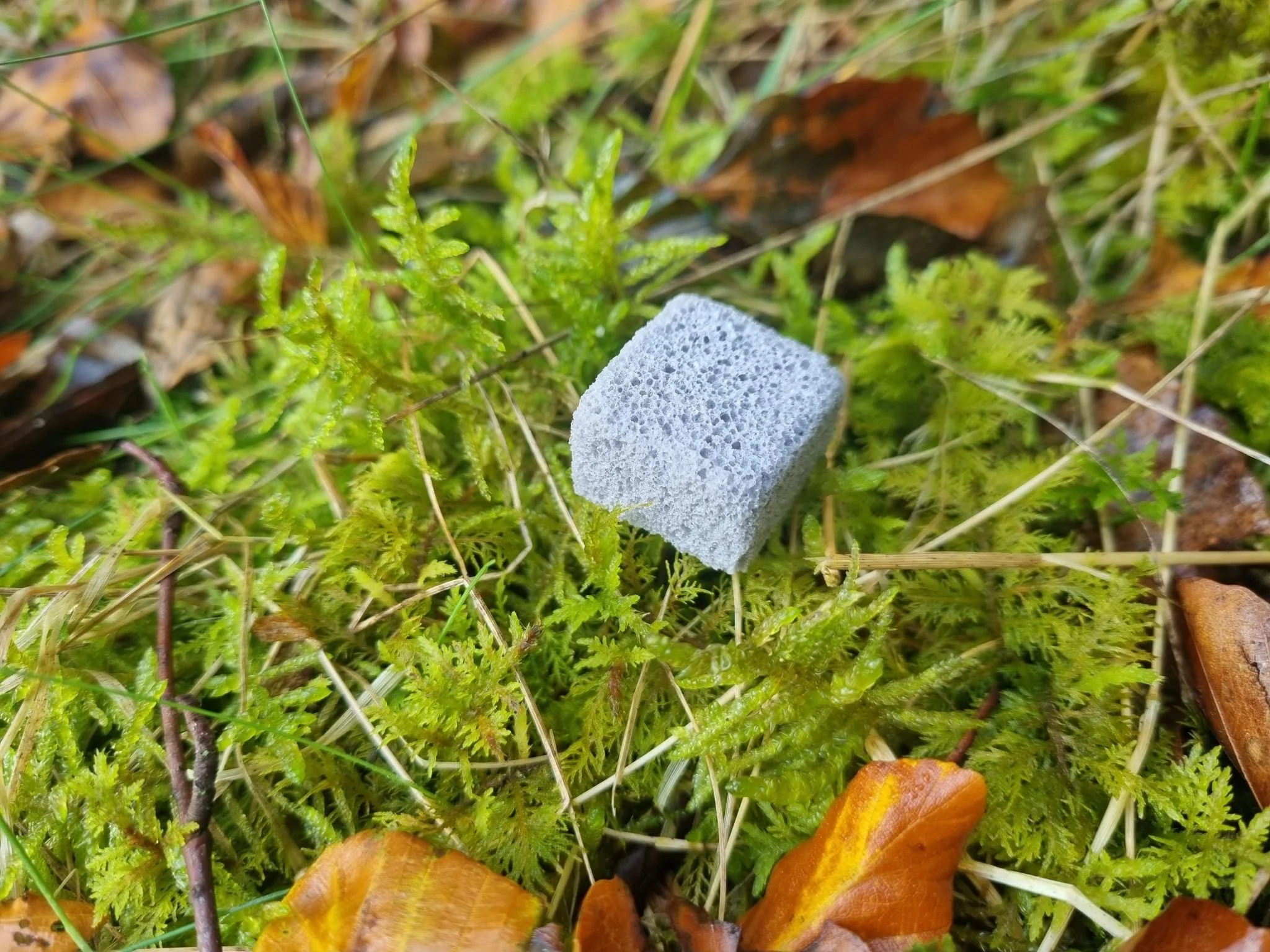
Rhizocore Head Office (UK)
To learn more about Rhizocore’s origins, history and wider work, visit our original UK website. It provides further insight into where the company began, how our science has developed, and the foundations behind our work today.
